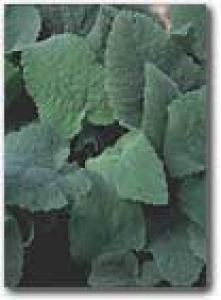
Clary Sage (Salvia sclarea) is one of those herbs that gives you rather more than you might expect. The first year produces a rosette of large, wrinkled and strongly scented leaves, then in its second year up come tall flower spikes with pale pink to mauve flowers surrounded by striking mauve-pink bracts. The leaves have a strong sage-like flavour and the flowers are edible too. And when those flowers arrive, the bees will certainly appreciate the
📏 Height up to 1m
🌿 Biennial or short-lived perennial
❄️ Fully hardy
🍃 Seasonal Growing Guide
Spring: apply a 5–7cm mulch of well-rotted compost or manure around established plants. Water thoroughly when the soil becomes dry rather than giving plants a little water every day.
Summer Sow: shallowly in trays or modules of seed compost from June to August. When seedlings are large enough to handle, pot them individually into small pots and grow them on. Plant out about 30cm apart in a sunny position in moderately fertile, moist but well-drained soil. Second-year plants produce their tall flower spikes from late spring into summer.
Autumn: after flowering, established plants begin to die back naturally. Cut back the fading flower stems and foliage as the season draws to a close.
🍴 Edible
The strongly flavoured leaves can be used fresh or dried much like culinary sage, but a little goes a long way. Try them with breads and stuffings, or use the edible flowers to add a pretty finishing touch to salads and summer drinks. Clary leaves also have a surprisingly long history of being dipped in batter and fried as fritters.
🐝 Pollinator friendly
Those tall flower spikes aren't just good looking. They provide nectar and pollen for visiting bees and other pollinating insects. Clary Sage is also among the flowers visited by the spectacular Violet Carpenter Bee, still an extremely rare visitor and occasional breeder in Britain.
📜 Traditional uses
Clary Sage has been grown for far more than cooking. Its strongly scented leaves have been used in potpourri and scented sachets, while its distinctive muscatel fragrance led to its use in flavouring wines and other drinks and gave it a place in perfumery.
The old name clear-eye comes from the mucilaginous coating around the seeds and their historical use for removing specks from the eye. Clary Sage also has a long history as a medicinal herb.
Please note: we do not promote the medicinal use of plants. Always seek professional medical advice and consult trusted sources for health-related guidance.


 Save
Save Sold out


